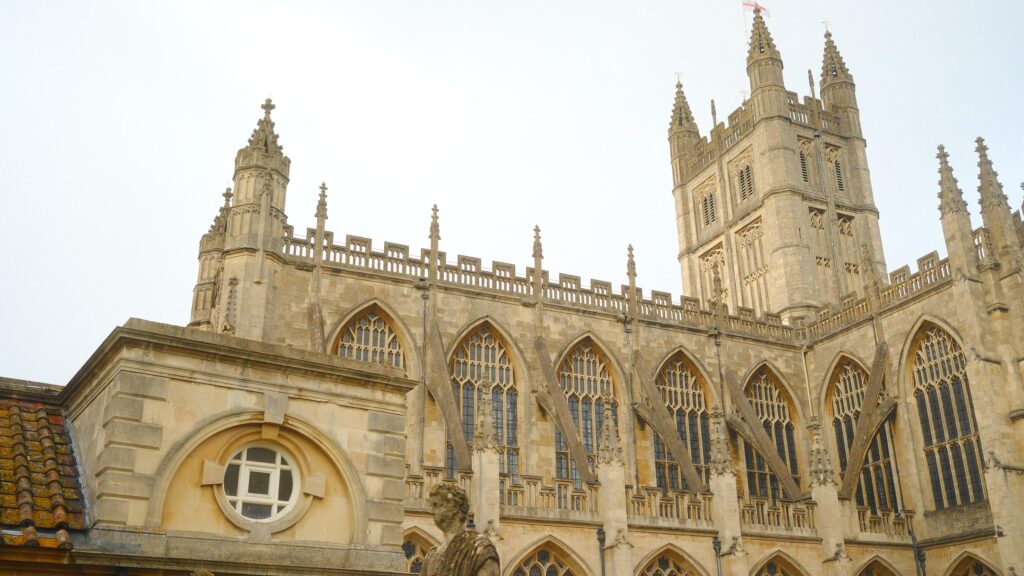
Honey-coloured Georgian stone as far as you can see, a light drizzle turning the cobblestones dark, and streets that look exactly like something from a period drama. That was our first impression of Bath, stepping out from the train station on a Saturday morning in late August. We did a Bath weekend from London across three days and walked away thinking it might be one of the best short breaks in England, just maybe one day too long.
Here’s exactly what we did, what surprised us, and what we’d change.
Is a Bath Weekend from London Worth It?
Yes, with one caveat. Two days is the sweet spot. Three days, as we found, tips slightly into “we’ve seen everything twice” territory. Bath is compact, walkable and beautiful, but it is a small city. If you’re doing a day trip from London, you’ll want more time. If you’re doing a weekend, two nights covers it comfortably without stretching.
Bath is a UNESCO World Heritage city located in Somerset, about 150 kilometres west of London, and is one of the best-preserved examples of Georgian urban architecture in the world. The Royal Crescent, The Circus, Pulteney Bridge and the Roman Baths are all within a short walk of each other. You can cover the highlights in two full days without rushing.
How to Get from London to Bath
Take the train. GWR (Great Western Railway) runs direct services from London Paddington to Bath Spa throughout the day. The fastest trains take about 1 hour and 15 minutes. We departed at 10:30am and arrived at 11:45am.
Book in advance via the GWR website or Trainline and you’ll pay from around £24 each way. Leave it to the day and you’ll pay significantly more.
Bath Spa station sits right in the centre of the city. You walk out and you’re five minutes from everything.
Day 1: Arriving in Bath
Drop Your Bags and Find Lunch
We dropped bags at the Travelodge and found a pub for a light lunch, one of many dotted around the city centre. Nothing fancy, just enough to set up an afternoon on foot.
Then it rained. Properly rained. We ducked into a pub near the Royal Crescent, ordered drinks, crowd-watched from the window, and talked for an hour while people sprinted past outside. Then the rain eased, we set off, and the wet stone made everything look even better in photos than it would have in sunshine.
The Royal Crescent and The Circus
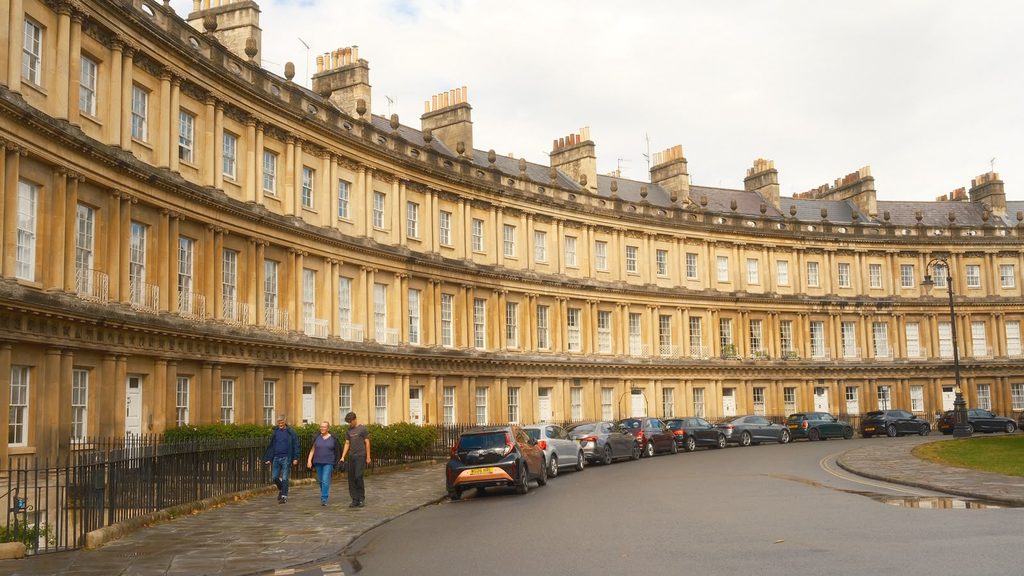
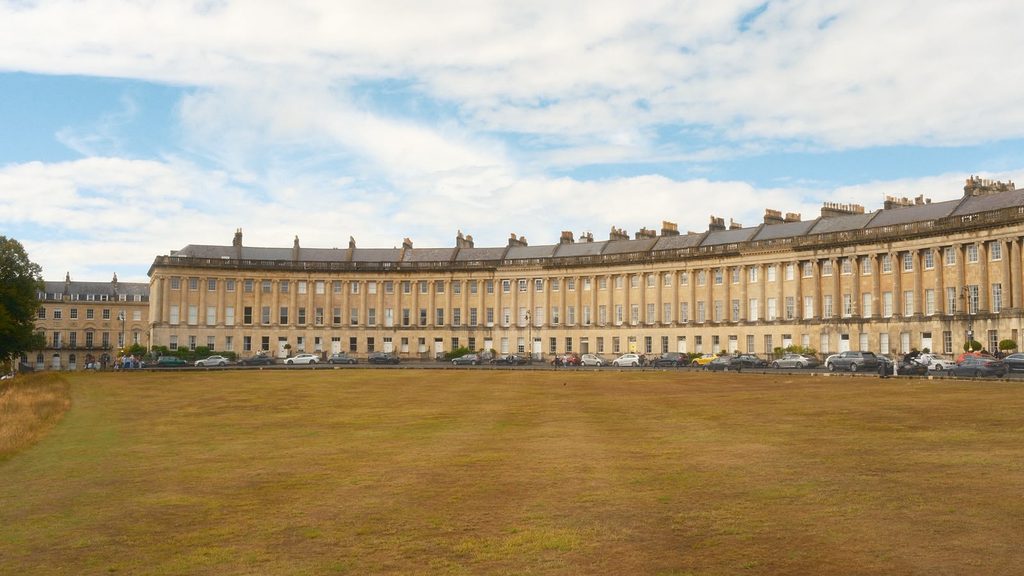
The Royal Crescent is the postcard image of Bath: a sweeping curved terrace of 30 Georgian townhouses built between 1767 and 1774, facing a wide lawn. Free to look at, and it looks exactly as you’d imagine. Walk from there to The Circus, a circular arrangement of three curved terraces with a small garden at the centre. Both are free and both are genuinely stunning.
No.1 Royal Crescent Museum: Book in Advance
No.1 Royal Crescent is the only house in the crescent open to the public, restored to show exactly how a wealthy Georgian family and their servants lived in the late 1700s. Entry is £16 for adults and the visit takes about an hour.
Book a timed entry slot online before you travel.
The rooms are done properly. The audio recordings feature a fictional Georgian family going about their daily lives and it’s far more engaging than it sounds: the voices and dialogue genuinely transport you. My wife was blown away by it, largely because the whole thing felt like walking directly into the set of Bridgerton. The drawing room, the dining room, the servants’ quarters, all of it. Bridgerton fans will love this more than any other stop in Bath.
Dinner at The Raven
We hadn’t planned The Raven. We walked past, noticed the crowd inside, went in on instinct and it turned out to be one of the best decisions of the trip.
The Raven is a family-run 18th-century free house at 6-7 Queen Street, known for real ales and Pieminister pies. The chicken pie with gravy was exceptional: proper hot, proper generous, proper English. They have a full menu of pies with names that sound like Roald Dahl characters. No under-14s, which keeps the atmosphere calm and the noise down.
Roman Baths
This is the one thing we’d tell anyone visiting Bath in summer: book the Roman Baths Summer Lates.
Every year from late July to the end of August, the Roman Baths stay open until 10pm with torchlight, a bathside bar and live music. We had a Saturday slot, which meant vinyl DJ sets playing across the Great Bath as dusk fell. The music drifts across the water, the torches reflect off the ancient stone, and the whole site quietens down from the daytime crowds.
Your standard entry ticket includes full access to the baths and museum. The audio guide walks you through 2,000 years of Roman history at your own pace. For history lovers, this is the highlight of Bath. For everyone else, it’s still one of the most atmospheric things you can do in England.
Book online before you travel. The popular Saturday evening slots sell out.
Day 2: The Mad Max Tours Day Trip
This was the best day of the trip
Mad Max Tours is a small-group guided day tour company based in Bath. Their Stonehenge, Avebury and Cotswold Villages tour covers four stops across about nine hours in a minibus. Tours depart from outside the Abbey Hotel near Bath city centre at 8:25am. Grab a pastry and coffee before you leave because it’s a long day.
The tour costs around £75 per person, not including Stonehenge entry. Stonehenge entry cost us £23 per person on the day. Check the English Heritage website for current prices before you go.
Castle Combe
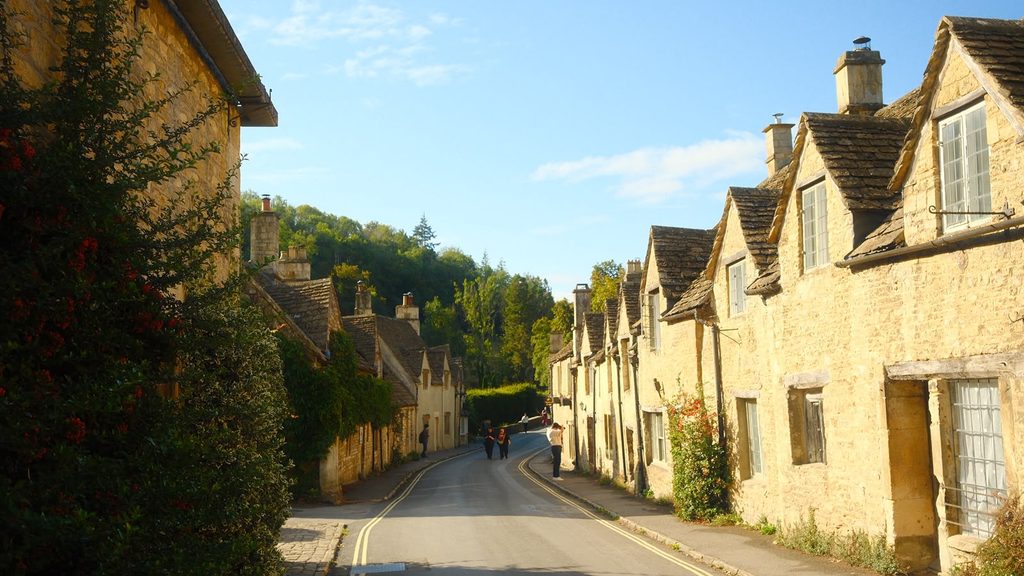
Castle Combe was the surprise of the day. It’s one of the most well-preserved medieval villages in England: Cotswold stone cottages, a market cross and a stream, largely unchanged since the 13th and 14th centuries. You can touch the walls of houses built 700 years ago. The scale of everything, the low doors, the narrow lanes, the tiny windows, makes you feel the distance between then and now. It’s quietly extraordinary.
Lacock
Lacock is a National Trust village and film location for Harry Potter, Pride and Prejudice and Downton Abbey. The guided tour pointed out details we’d have completely missed on our own. Worth every minute.
Avebury Stone Circles
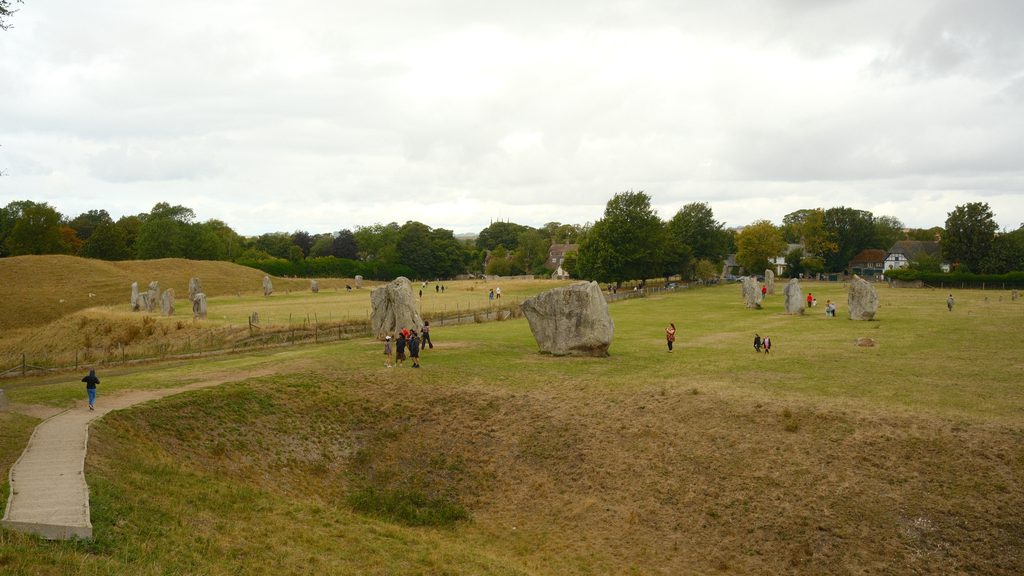
Avebury is different from Stonehenge in one important way: you can walk freely among the stones. The circle at Avebury is actually larger than Stonehenge and the village sits right inside it. Sheep graze between the megaliths. It has a quieter, more open energy.
Stonehenge
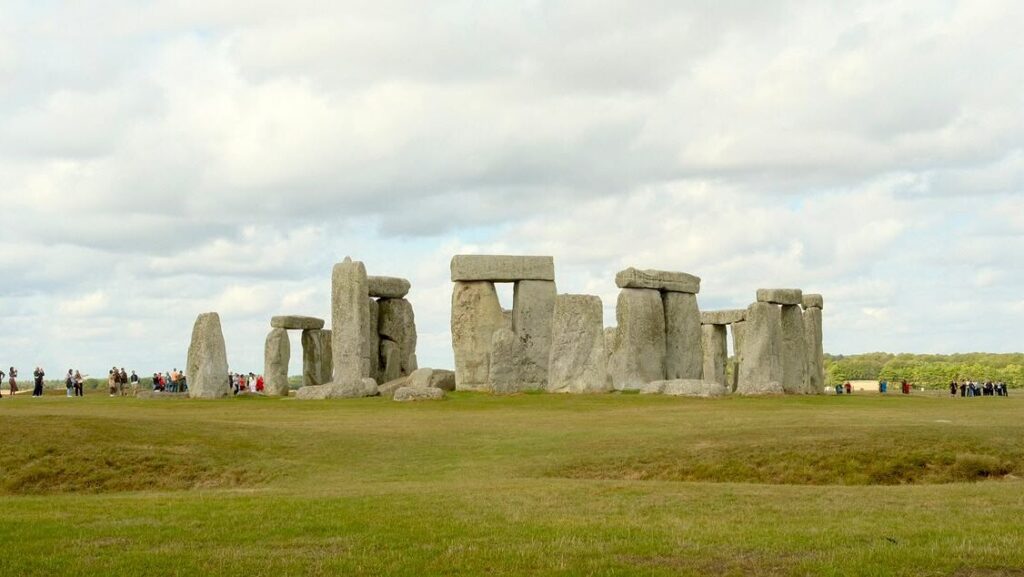
Stonehenge was the moment of the trip. If you grew up hearing about it, and most Australians did, nothing quite prepares you for the actual scale when you stand in front of it. The rocks are enormous. The question of how they were moved from Wales to Salisbury Plain, how they were lifted into position, how the lintels were placed across the top: standing there, you feel the weight of that mystery in a way no documentary ever captures.
Everything around you goes quiet for a second when you first see it properly. That’s not an exaggeration.
The Mad Max Tours guides are excellent throughout: knowledgeable, relaxed, and full of detail that doesn’t feel rehearsed.
Dinner at Ponte Vecchio
After nine hours on a minibus you need a good dinner. Ponte Vecchio delivered.
It’s an Italian restaurant on Spring Gardens Road right next to Pulteney Bridge, with views of the river and an open kitchen with a stone pizza oven visible from the dining room. The pasta is award-winning and the mains are exactly what you want after a day like that. The dessert, a cannoli cheesecake, was genuinely one of the best things we ate the whole trip. Book ahead.
Day 3: Last Morning in Bath
Great Pulteney Street and Holburne Museum
Walk from the city centre across Pulteney Bridge and down Great Pulteney Street toward the Holburne Museum. The street is one of the widest and most impressive Georgian streets in England. The Holburne Museum is beautiful from the outside. We didn’t go in, but the walk itself is worth doing for the architecture alone.
Pulteney Bridge
One of only four bridges in the world with shops built across its full span on both sides. Walk across, look back from the far bank for the photo, then walk back. Five minutes and genuinely lovely.
Landrace Bakery: Go Early
We stopped at Landrace Bakery for lunch on our way back to the station. The coffee was excellent, genuinely one of the better coffees of the trip. The food was more ordinary, partly because we arrived late and the good pastries were gone. The place was also packed. Go first thing in the morning for the full experience. One-time visit for us, but worth that one time if you time it right.
We caught the 5:13pm train from Bath Spa back to Paddington, arriving at 6:39pm.
Where to Stay in Bath
We stayed at Travelodge Bath City Centre. It does exactly what Travelodge does: clean, functional, good location, no surprises. One thing to know: wifi costs extra. Bring a portable hotspot or budget for it.
For a more comfortable base there are better options. Bath is full of Georgian B&Bs and boutique hotels. But if you’re keeping costs down, Travelodge works fine.
What We’d Do Differently
Two nights, not three. We’d seen everything we wanted to see by the end of Day 2. Day 3 was pleasant but not essential. Two nights is enough.
Book the Roman Baths Summer Lates the moment you confirm your dates. Saturday evening slots go fast.
Hit Landrace Bakery first thing in the morning, not at lunch. The pastry situation improves significantly before 9am.
What It Cost Us (Approximate)
| Item | Cost |
|---|---|
| Train London to Bath return (booked ahead) | From £48pp |
| Travelodge (2 nights, room total) | ~£70–£120 per night |
| No.1 Royal Crescent Museum | £16pp |
| Roman Baths Summer Lates | ~£22–£25pp |
| Mad Max Tours full day | £75pp |
| Stonehenge entry | £23pp |
| Dinner at The Raven | ~£20–£25pp |
| Dinner at Ponte Vecchio | ~£30–£40pp |
Prices are approximate and based on what we paid in August 2026. Always check current pricing directly before booking.
Is a Bath weekend from London worth it?
Yes. Bath is one of England’s most beautiful cities, easy to reach from London in about 1 hour 15 minutes by direct train from Paddington. Two nights is the ideal length: enough to see the Roman Baths, the Royal Crescent, and do a day trip to Stonehenge without the city running out of things to offer.
How long is the train from London to Bath?
The fastest direct GWR services from London Paddington to Bath Spa take about 1 hour 15 minutes. Tickets start from around £24 each way when booked in advance.
What are the Roman Baths in Bath?
The Roman Baths are a well-preserved Roman bathing complex built around a natural hot spring in Bath, Somerset, and are one of the finest examples of Roman architecture in the world. The site dates back nearly 2,000 years and now operates as a museum open to the public. Bath itself is a UNESCO World Heritage City, and the Roman Baths are its most visited attraction. Entry includes an audio guide and access to the museum. Book tickets online in advance, especially in summer when queues are long.
Is No.1 Royal Crescent Museum worth visiting?
Yes, especially if you’re a Bridgerton fan or interested in Georgian history. Entry is £16 for adults, the visit takes about an hour, and the restored rooms with audio recordings are the most immersive experience in Bath. Book a timed entry slot online before you arrive.
What is Mad Max Tours in Bath?
Mad Max Tours runs small-group guided day tours from Bath. Their full-day Stonehenge, Avebury and Cotswold Villages tour visits Castle Combe, Lacock, Avebury Stone Circles and Stonehenge across about nine hours. The tour costs around £75 per person with Stonehenge entry paid separately. Tours depart from outside the Abbey Hotel in Bath city centre.
How many days do you need in Bath?
Two full days is enough. You can cover the Roman Baths, Royal Crescent, The Circus, Pulteney Bridge and do a full day trip to Stonehenge in two days without rushing. Three days works but you’ll run out of things to do. If you’re looking for your next trip, our Paris weekend from London itinerary is worth a read.
This article reflects our personal experience visiting Bath in August 2026. Prices are approximate and change depending on when you book. Always check current entry prices and train fares directly before visiting. This article is for general informational purposes only.